


Sports-Related Eye Injuries Are Increasing: What Athletes and Parents Should Know
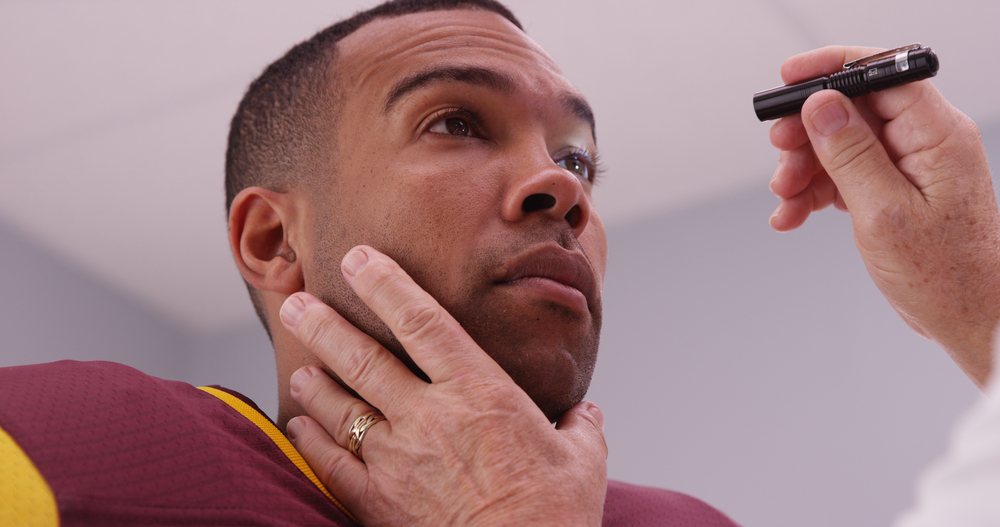
Sports are an important part of staying active and healthy, especially for children and teenagers. However, a recent study highlights an important reminder for athletes and parents: sports-related retinal injuries appear to be increasing, and some can cause serious vision problems.
Researchers examined sports-related retinal injuries treated in U.S. emergency departments between 2005 and 2024. While these injuries remain relatively uncommon, the study found a significant increase over the 20-year period.
Teenagers May Be at Greater Risk
One of the most notable findings was the age of the patients affected. Adolescents between 10 and 19 years old accounted for approximately 42% of sports-related retinal injuries, making them the largest age group in the study.
About 70% of the injuries occurred in males.
For parents of young athletes, this is an important reminder that an eye injury during a game or practice should not always be dismissed as something that will simply get better on its own.
What Types of Retinal Injuries Can Occur?
The retina is the light-sensitive tissue lining the back of the eye. A strong impact to the eye can temporarily compress and distort the eye, potentially damaging the retina and other structures inside the eye.
The most commonly identified retinal conditions in the study included:
Retinal detachment: 19.5%
Vitreous hemorrhage: 18.9%
Commotio retinae: 13.5%
A retinal detachment is particularly concerning because the retina separates from the tissue underneath it. Without timely treatment, a retinal detachment can result in permanent vision loss.
Which Sports Were Most Commonly Associated With Injuries?
Ball sports accounted for many of the injuries. Soccer was the most commonly associated sport, accounting for approximately 25% of cases. Basketball was also among the leading sports associated with retinal injuries.
Projectile-related activities were another important source of injury.
An object does not necessarily need to penetrate the eye to cause retinal damage. A ball or other object striking the eye at high speed can transmit enough force through the eye to damage structures in the back of the eye.
Symptoms After an Eye Injury Should Not Be Ignored
Some retinal problems can occur even when the outside of the eye does not appear severely injured. Athletes should receive prompt eye care after significant eye trauma, particularly if they develop symptoms such as:
New flashes of light
New floaters or spots in the vision
A shadow, curtain, or missing area of vision
Sudden blurry or decreased vision
Persistent eye pain
Significant redness or light sensitivity
Double vision
A dilated eye examination allows an eye doctor to evaluate the retina and other structures inside the eye for signs of injury that may not be visible from the outside.
Protective Eyewear Can Help
Many sports-related eye injuries are preventable. Depending on the activity, properly fitted protective sports eyewear can significantly reduce the risk of serious eye trauma.
Regular eyeglasses are not a substitute for sports protective eyewear. Athletes who require vision correction can often have appropriate sports goggles made with their prescription.
Parents should also consider protective eyewear even for children who do not normally wear glasses, particularly when participating in sports or activities with a higher risk of eye injury.
Eye Injury During Sports? Eyes & Optics Can Help
If you or your child is hit in the eye while playing sports, don't ignore changes in vision just because the eye looks normal from the outside. Retinal injuries can sometimes be difficult to recognize without a comprehensive eye examination.
At Eyes & Optics in Farmington Hills, Michigan, we provide comprehensive and urgent eye care for children and adults throughout Metro Detroit. If an eye injury occurs during sports or another activity, contact our office so we can determine whether an examination is needed.
Early evaluation can help identify potentially serious eye injuries before they lead to additional complications.
Sources
Mikhail D, Milad D, Al-Ani A, et al. Epidemiology of Sports-Related Retinal Injuries in Emergency Departments. Canadian Journal of Ophthalmology. Published online July 27, 2026.
Ophthalmology Advisor. Sports-Related Retinal Injuries, Detachments Increase. 2026.
Rohowetz LJ, et al. Vitreoretinal Injury Associated with Sports Ball Ocular Trauma. 2025.


Office Hours
| Monday | 9:00am - 7:00pm |
| Tuesday | 9:00am - 6:00pm |
| Wednesday | 9:00am - 6:00pm |
| Thursday | 9:00am - 6:00pm |
| Friday | 9:00am - 5:00pm |
| Saturday | 9:00am - 1:00pm |
| Sunday | Closed |
© 2026 Eyes & Optics All rights Reserved. Privacy Policy Sitemap
Powered by
