


Pickleball and Eye Injuries: What Patients Need to Know
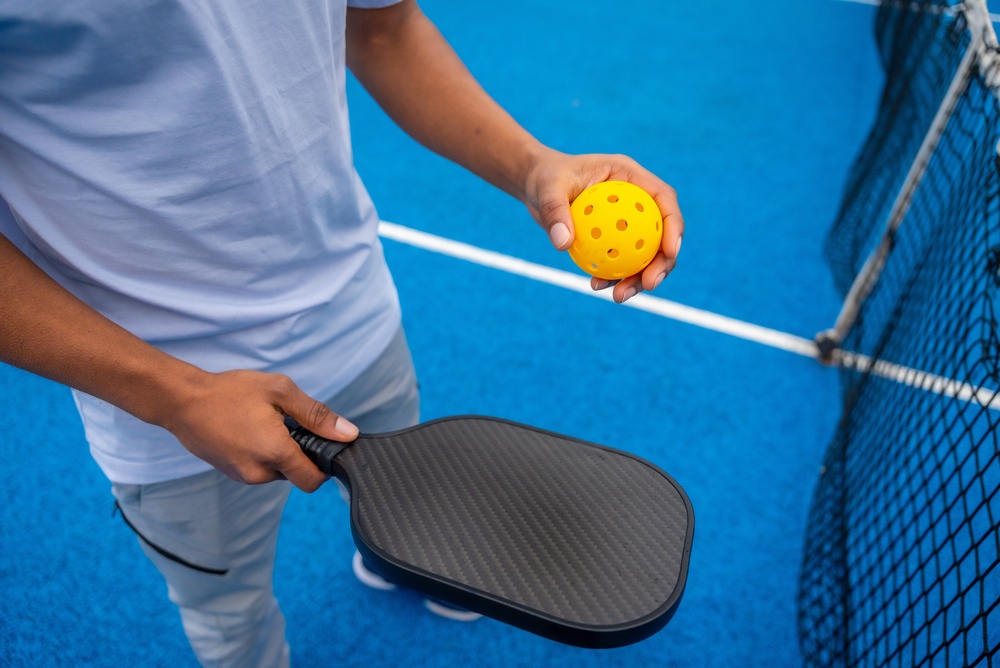
Pickleball has quickly become one of the fastest growing sports in the United States. It is fun, social, and easy to learn, which makes it appealing to players of all ages. As more people take up the sport, eye care providers are seeing a concerning trend. Eye injuries related to pickleball are becoming more common.
Why Are Eye Injuries Increasing?
Recent research shows a noticeable rise in pickleball related eye injuries, especially over the past few years. Emergency departments have reported a significant increase in cases, with more than a thousand injuries recorded in a single year.
There are several reasons for this increase:
More people are playing the sport than ever before
Many players are new and still developing coordination and awareness
The court is small, so players are positioned close to one another
The ball can travel quickly despite its lightweight design
While pickleball may seem low risk, the combination of speed and proximity can create situations where the eyes are vulnerable.
Who Is Most at Risk?
Adults over the age of 50 make up a large portion of reported injuries. This may be related to natural changes in reaction time, balance, and coordination. Falls are also more likely in this age group.
That said, eye injuries can happen to anyone, especially beginners who are still learning the pace and positioning of the game.
Common Types of Eye Injuries
Most pickleball eye injuries are mild but still require attention. Common issues include:
Cuts or bruising around the eye
Corneal abrasions, which are scratches on the surface of the eye
Black eye or swelling
Inflammation inside the eye known as iritis
More serious injuries can occur and may threaten vision if not treated quickly. These include:
Bleeding inside the front of the eye
Fractures of the bones around the eye
Retinal detachment
Direct trauma to the eyeball
How Do These Injuries Happen?
The majority of injuries occur from:
Direct impact from the ball
Accidental contact with a paddle
Falls during play
Because of the fast pace and close quarters, even experienced players can be caught off guard.
The Good News: Most Injuries Are Preventable
The most important takeaway is that many of these injuries can be prevented.
Protective eyewear made from polycarbonate material is highly effective at reducing the risk of eye injury. These lenses are designed to withstand impact and are commonly used in sports settings. Despite this, many players do not wear any eye protection.
Practical Tips for Patients
If you play pickleball or are thinking about starting, consider the following:
Wear protective sports eyewear rather than regular glasses
Stay aware of your partner’s position and paddle movement
Keep your eyes on the ball throughout play
Take time to learn proper technique before playing competitively
When to Seek Care
Any eye injury should be evaluated promptly. Seek care right away if you experience:
Eye pain or redness
Blurry or decreased vision
Sensitivity to light
Flashes, floaters, or a shadow in your vision
Early treatment is important and can help prevent long term damage.
Final Thoughts
Pickleball is a great way to stay active and connected with others. Like any sport, it carries some risk, but simple precautions can go a long way in protecting your vision.
Wearing proper eye protection is an easy step that can make a meaningful difference.
Sources
Lacher CR, et al. Pickleball Related Ocular Injuries Among Patients Presenting to Emergency Departments. JAMA Ophthalmology, 2025
American Medical Association. Pickleball eye injury trends and prevention insights
Ophthalmology Times. Ocular pickleball injuries rise with sport popularity
Medical Xpress. Study highlights increase in pickleball related eye injuries
Harvard Health Publishing. Pickleball related eye injuries increasing


Office Hours
| Monday | 9:00am - 7:00pm |
| Tuesday | 9:00am - 6:00pm |
| Wednesday | 9:00am - 6:00pm |
| Thursday | 9:00am - 6:00pm |
| Friday | 9:00am - 5:00pm |
| Saturday | 9:00am - 1:00pm |
| Sunday | Closed |
© 2026 Eyes & Optics All rights Reserved. Privacy Policy Sitemap
Powered by
