


FDA Recalls Nearly 12 Million Cartons of Rohto Eye Drops
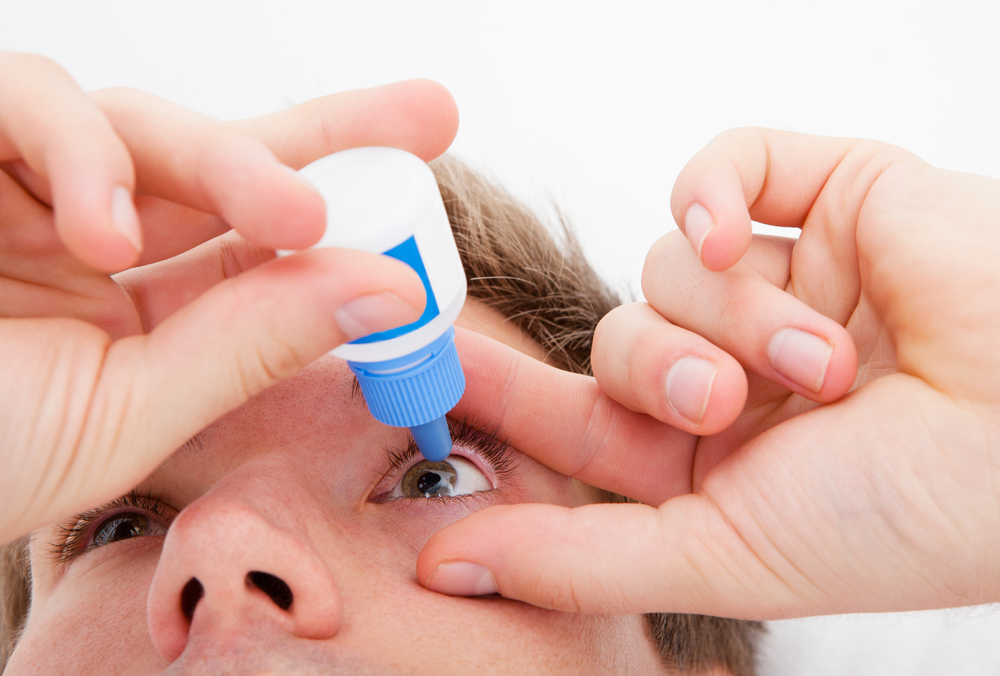
FDA Recalls Nearly 12 Million Cartons of Rohto Eye Drops: What Patients Should Know
The U.S. Food and Drug Administration (FDA) has announced a nationwide recall involving nearly 12 million cartons of Rohto Cooling Eye Drops due to concerns about the sterility of the products.
If you use over-the-counter eye drops for redness, dryness, irritation, or eye strain, it is important to check the bottle you have at home and make sure it is not included in the recall.
Why Are Rohto Eye Drops Being Recalled?
Rohto-Mentholatum voluntarily initiated the recall because of a "lack of assurance of sterility."
Eye drops must be manufactured and packaged under strict sterile conditions. Because eye drops are placed directly onto the surface of the eye, contamination with bacteria or other microorganisms can potentially lead to irritation or infection.
The recall began on July 14, 2026, and the FDA classified it as a Class II recall on July 23, 2026.
A Class II recall means that exposure to the affected product could potentially cause temporary or medically reversible health problems, while the likelihood of serious health consequences is considered remote.
Which Rohto Eye Drops Are Included?
The recall affects select lots of several Rohto Cooling Eye Drops products, including:
Rohto Cooling Eye Drops All-In-One
Rohto Cooling Eye Drops Max Strength
Rohto Cooling Eye Drops Max Strength Twin Pack
Rohto Cooling Eye Drops Optic Glow
Rohto Cooling Eye Drops Digi Eye
Rohto Cooling Eye Drops Dry Aid
Rohto Cooling Eye Drops Dry Aid Twin Pack
Rohto Cooling Eye Drops Cool Relief
The affected products have expiration dates ranging from July 2025 through February 2029.
Not every bottle of these products is necessarily affected. Patients should check the lot number and expiration date on their bottle against the FDA's official recall information.
What Should You Do If You Have Recalled Eye Drops?
If you discover that your eye drops are included in the recall, stop using them.
You should also pay attention to any new or unusual eye symptoms, particularly if you recently used one of the recalled products.
Contact an eye doctor promptly if you experience symptoms such as:
Increasing eye redness
Eye pain
Discharge
Swelling
Significant light sensitivity
Blurred or decreased vision
Persistent irritation
Eye infections can sometimes progress quickly, so new or worsening symptoms should not be ignored.
Why Eye Drop Sterility Matters
Unlike many medications applied to the skin, eye drops are placed directly onto a sensitive surface of the body. The eye has fewer protective barriers against contamination once a product is applied.
This is why sterility is especially important for ophthalmic medications and why recalls involving potential contamination or uncertain sterility should be taken seriously.
Patients should also avoid touching the tip of an eye drop bottle to their eye, eyelashes, fingers, or other surfaces. Always replace the cap after use and avoid sharing eye drops with another person.
Have Questions About Your Eye Drops?
With numerous eye drop products available over the counter, choosing the right one can be confusing. Some drops are designed for dry eye, while others temporarily reduce redness or address other symptoms.
If you are unsure whether your eye drops are affected by the recall or which type of artificial tear is appropriate for your symptoms, contact Eyes & Optics.
Our optometrists in Farmington Hills, Michigan can evaluate persistent redness, dryness, irritation, light sensitivity, or other eye concerns and recommend an appropriate treatment based on the underlying cause.
If your eyes are frequently red or uncomfortable, treating the cause of the problem rather than repeatedly reaching for an over-the-counter redness reliever may provide better long-term results.
Sources
Optometric Management. "FDA Recalls Nearly 12M Cartons of Eye Drops." August 4, 2026.
U.S. Food and Drug Administration. Enforcement Report: Rohto Cooling Eye Drops Recall.
U.S. Food and Drug Administration. Recall Classification Guidelines.


Office Hours
| Monday | 9:00am - 7:00pm |
| Tuesday | 9:00am - 6:00pm |
| Wednesday | 9:00am - 6:00pm |
| Thursday | 9:00am - 6:00pm |
| Friday | 9:00am - 5:00pm |
| Saturday | 9:00am - 1:00pm |
| Sunday | Closed |
© 2026 Eyes & Optics All rights Reserved. Privacy Policy Sitemap
Powered by
