


Do Artificial Tears Really Help With Eye Strain?
If your eyes feel tired, dry, or irritated after using screens, you're not alone. Many people get digital eye strain, especially if they work on a computer or use their phone a lot.
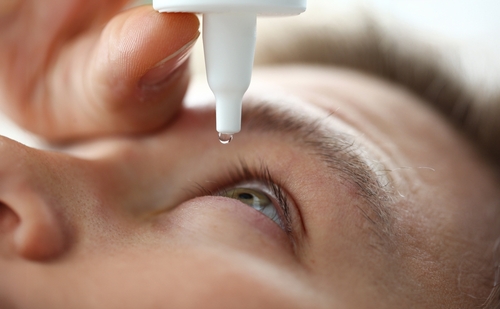
One of the most common things eye doctors recommend is preservative-free artificial tears. A recent study looked at whether using these drops could make a difference for people who get dry eye symptoms from screen use.
What Did the Study Do?
People who used screens regularly and had dry eye symptoms were asked to:
- Use preservative-free artificial tears
- Four times a day
- For one month
Doctors then checked how their eyes felt and how their eyes behaved while focusing on tasks.
What Did the Study Find?
1. People Felt Better
The good news is that patients said their eyes felt less tired, less dry, and less irritated after using artificial tears every day for a month. This means the drops helped reduce uncomfortable symptoms.
2. But Screens Still Make Us Blink Less
Even though symptoms improved, the study found that people still:
- Blinked less often
- Kept their eyes open longer while concentrating
- Had similar focusing patterns on screens
So the drops helped with comfort, but didn’t change how the eyes behaved during screen time.
3. The Tear Film Didn't Change Much
Doctors also measured things like tear film quality and eye moisture, and those numbers didn’t change much either.
What This Means for You
Artificial tears are a great first step if your eyes feel dry or tired. They make the eyes feel better but they are not a cure-all for digital eye strain.
You may also need to:
Remember to blink more
Take screen breaks (like the 20-20-20 rule)
Adjust your workstation or screen height
Treat eyelid or oil gland issues if needed
Tips to Feel Better During Screen Time
Try these simple habits:
Use artificial tears: Especially preservative-free ones if you use them often.
Follow the 20-20-20 rule: Every 20 minutes, look 20 feet away for 20 seconds.
Blink more: Remind yourself to fully blink — not just half blinks.
Position your screen lower: Looking slightly down can help reduce dryness.
The Bottom Line
Artificial tears help your eyes feel more comfortable — but they don’t change how screens make us blink less. The best results come from combining drops with healthy screen habits.
Sources
- Healio Optometry News: Artificial tears, digital eye strain, and blink behavior (2026)
- EMPR: Symptom improvement with preservative-free artificial tears
- Drugs.com: Tear film measurements and visual performance reporting


Office Hours
| Monday | 9:00am - 7:00pm |
| Tuesday | 9:00am - 6:00pm |
| Wednesday | 9:00am - 6:00pm |
| Thursday | 9:00am - 6:00pm |
| Friday | 9:00am - 5:00pm |
| Saturday | 9:00am - 1:00pm |
| Sunday | Closed |
© 2026 Eyes & Optics All rights Reserved. Privacy Policy Sitemap
Powered by
