


Can Vitamins Help With Dry Eye? What the Latest Research Says
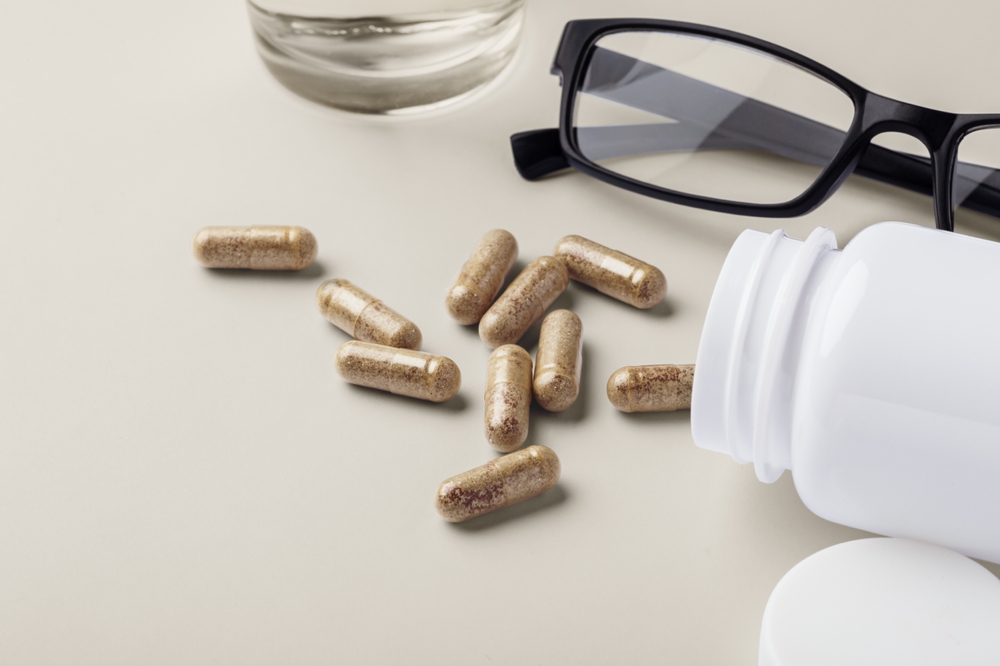
Dry eye disease is a common condition that can cause burning, irritation, redness, fluctuating vision, excessive watering, and a gritty or sandy sensation. While treatments such as artificial tears, prescription eye drops, warm compresses, and other therapies remain important, researchers are also studying whether nutrition and vitamin supplementation may play a role in dry eye management.
A recent systematic review examined the available research on oral vitamin supplementation for dry eye disease. The findings suggest that certain vitamins may have potential benefits, but there is not yet enough evidence to recommend vitamin supplements as a routine treatment for everyone with dry eye.
Which Vitamins Have Been Studied for Dry Eye?
Researchers reviewed 13 studies involving a total of 483 participants with dry eye disease. The studies primarily evaluated three types of vitamins:
- Vitamin D
- Vitamin A
- B vitamins, including vitamin B1 and vitamin B12
Vitamin D was studied the most, appearing in eight of the 13 studies.
Vitamin D and Dry Eye
Vitamin D may be particularly interesting because of its role in immune function and inflammation. Since inflammation can contribute to dry eye disease, researchers have investigated whether vitamin D levels or supplementation could affect dry eye symptoms.
Several of the studies included in the review found improvements in patient-reported dry eye symptoms following vitamin D supplementation. Some also reported improvements in measurements of tear production or tear film stability.
However, the results were not consistent across all studies. Researchers also used widely different vitamin D doses and treatment durations, making it difficult to determine an ideal dose or whether supplementation would benefit most patients.
What About Vitamins A and B?
Vitamin A is important for maintaining the health of the cornea and conjunctiva, the tissues that make up much of the front surface of the eye. Significant vitamin A deficiency can cause serious ocular surface problems, including dryness.
Some studies included in the review suggested that vitamin A supplementation may improve certain dry eye symptoms or clinical measurements.
B vitamins have also received attention. Studies involving vitamin B1 and vitamin B12 showed some encouraging results, particularly related to dry eye symptoms and ocular discomfort.
Again, the available research is limited, and more high-quality studies are needed before these supplements can be routinely recommended specifically for dry eye.
Should You Take Vitamins for Dry Eye?
For now, vitamins should not be considered a replacement for established dry eye treatments.
The systematic review found that none of the 13 included studies provided high-quality evidence. Many had small numbers of participants, short follow-up periods, different supplement doses, and inconsistent methods of measuring dry eye.
This means we still do not know which patients are most likely to benefit from supplementation, which vitamins are most effective, or what doses should be recommended.
Taking large doses of vitamins without medical guidance is also not necessarily harmless. For example, excessive amounts of vitamins A or D can cause health problems.
Dry Eye Treatment Should Be Personalized
Dry eye is not a single condition with a single treatment. Symptoms can result from inadequate tear production, excessive tear evaporation, meibomian gland dysfunction, inflammation, medications, environmental factors, contact lens wear, and other causes.
That is why determining the underlying cause of dry eye is an important part of developing an effective treatment plan.
Nutrition may eventually become another useful piece of the dry eye treatment puzzle, particularly for patients with nutritional deficiencies. For now, however, the research does not support relying on vitamin supplements alone to manage dry eye disease.
Experiencing Dry, Burning, or Irritated Eyes?
If your eyes frequently feel dry, gritty, watery, irritated, or uncomfortable, an eye examination can help determine what may be causing your symptoms.
At Eyes & Optics in Farmington Hills, Michigan, we evaluate dry eye symptoms and recommend treatment based on each patient's individual needs.
Contact Eyes & Optics to schedule an eye examination and learn more about your options for dry eye treatment in Farmington Hills and the Metro Detroit area.
Sources
- Smith C. “Does Vitamin Supplementation Help DED?” Glance by Eyes On Eyecare. August 24, 2026.
- Systematic review of oral vitamin supplementation for dry eye disease, Ophthalmic and Physiological Optics.
- “Association Between Vitamin Deficiencies and Ophthalmological Conditions.” Clinical Ophthalmology.


Office Hours
| Monday | 9:00am - 7:00pm |
| Tuesday | 9:00am - 6:00pm |
| Wednesday | 9:00am - 6:00pm |
| Thursday | 9:00am - 6:00pm |
| Friday | 9:00am - 5:00pm |
| Saturday | 9:00am - 1:00pm |
| Sunday | Closed |
© 2026 Eyes & Optics All rights Reserved. Privacy Policy Sitemap
Powered by
